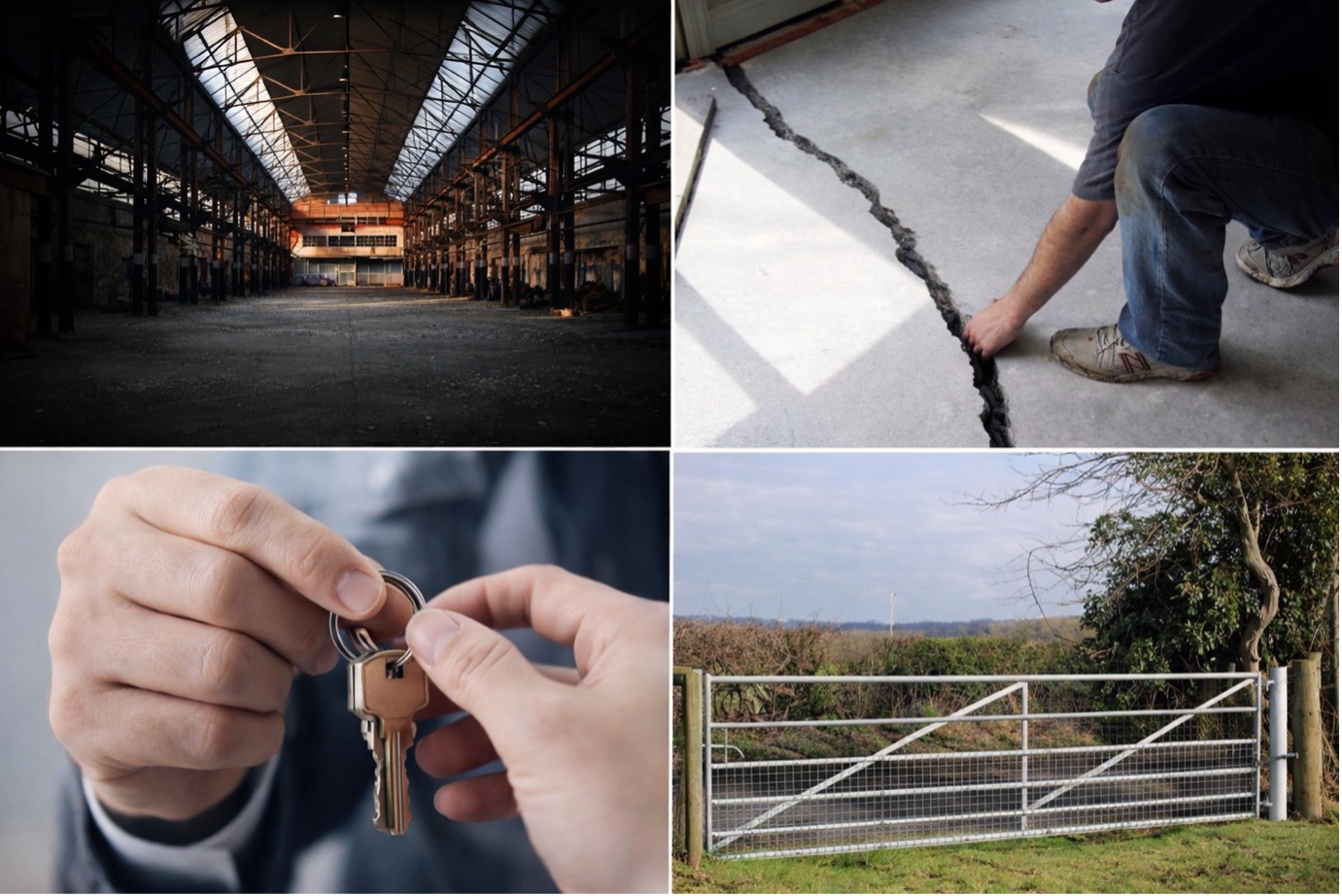
The decision to start a business does not rest with this specific tax relief, however and what is completely bad for the UK, the decision to CONTINUE a business rest entirely on protecting this concept. A businessperson starts a company with the belief that they may have a project to support them and find during the process a need to rent space, invest in materials and areas for staff and slowly the company builds significant assets to support and help the business grow. This is not with intention to avoid Tax but solely to be professional in creating fundamental foundations for their business activities.
For decades, Business Property Relief (BPR) and Agricultural Property Relief (APR) stood as pillars of UK tax policy designed to protect family businesses, farms, and small and medium-sized enterprises (SMEs) from punitive inheritance-tax bills that could force the sale of assets before or after death. These longstanding Tax reliefs reduce the value of qualifying business and agricultural assets for Inheritance Tax purposes by up to 100 per cent, enabling owners to preserve business value, maintain creditworthiness, and facilitate smooth intergenerational transfer of firms — a vital support for continuity, investment, and trade.
The government’s reforms, effective from April 2026, mark a significant departure from this long-standing regime. Full relief will now be capped at the first £2.5 million of combined business and agricultural property per person, with a 50 per cent relief rate beyond that threshold. In addition, certain classes of shares will only attract a 50 per cent relief even within the cap.
At first glance, this may appear as a modest tightening — after all, many estates claiming relief might be largely unaffected — but the broader implications for the UK economy are profound.
For many family-owned firms and farms, BPR and APR were more than tax breaks; they were structural enablers of succession. They helped businesses retain assets, secure financing, and plan long-term investment without the looming threat of a large tax liability on the death of a founder. Their reduction weakens these incentives, making it costlier to hold and pass on enterprises, undermining confidence in capital investment and potentially accelerating the sale or closure of firms that struggle to meet tax bills.
The implications extend beyond individual companies. A reduction in intergenerational transfers can dampen entrepreneurship, starve the SME sector of patient capital, and distort markets as owners reconsider growth strategies in the face of higher taxation. Economists and business groups warn that such changes risk slowing economic dynamism, reducing jobs, and weakening the resilience of regional economies, particularly in sectors where family firms predominate. Critics have even suggested that forcing more owners to sell could see assets acquired by foreign interests, eroding domestic control of key industries.
Proponents of the reform argue it will raise government revenue and reduce tax avoidance by very wealthy estates, helping to balance public finances. But tax policy is never neutral — it shapes behaviour. By reducing a cornerstone relief that supported continuity, credit access, and trade, the government risks tilting the economic landscape away from long-term business stewardship and towards short-term liquidity management, with far-reaching consequences for investment, employment, and economic growth.
In an era where the UK competes globally for entrepreneurial talent and investment, the removal of this tax support is a gamble — one whose true cost may only be visible in the years after the reliefs fade from the statute book.
We are asking the Government to cancel this amendment to any form of Property Relief and to recognise fully the need for Businesses to grow and continue to support the Governments spending needs in the future. Without continuity we will minimise business growth and stability for very little benefit to Government and significant risk to the UK economy.
About the Author
Adrian Hawkins OBE was awarded his honour by the Queen in the 2021 New Years Day Honours list for his services to business and skills. A lifetime businessman, Adrian Chairs biz4Biz a business support organisation which he founded 15 years ago to create a business network initially in the Home Counties and which is now reaching further nationally. Adrian is also, Chairman of Hertfordshire Futures (previously the LEP) and the Hertfordshire Futures Skills and Employment Board. Adrian is also Chairman of the Stevenage Development Board alongside biz4Biz. Adrian has 50 years’ experience in the world of business.

ADRIAN HAWKINS OBE
Chairman – biz4Biz
Chairman – Hertfordshire Futures Board
Chairman – Stevenage Development Board
Chairman – Hertfordshire Skills & Employment Board